By Godson Azu
The growing momentum around intra-African trade, diaspora investment, entrepreneurship, innovation, and youth empowerment once again came into focus during the recent stakeholder engagement and networking event organised ahead of the forthcoming AfreTrade Entrepreneur Festival Lagos 2026. The gathering brought together business leaders, entrepreneurs, policymakers, professionals, diaspora stakeholders, and development advocates committed to advancing Africa’s economic transformation through collaboration, trade, technology, and enterprise development.
Held under the strategic vision of promoting African-led solutions to African challenges, the event served as both an intellectual dialogue and a practical networking platform, highlighting the increasing relevance of diaspora engagement in shaping Africa’s economic future.
At the centre of the conversation was a critical question: Is Africa and the African diaspora truly ready for a new era of trade, entrepreneurship, innovation, and economic renaissance?
Opening Remarks: Building Bridges Between Africa and the Diaspora
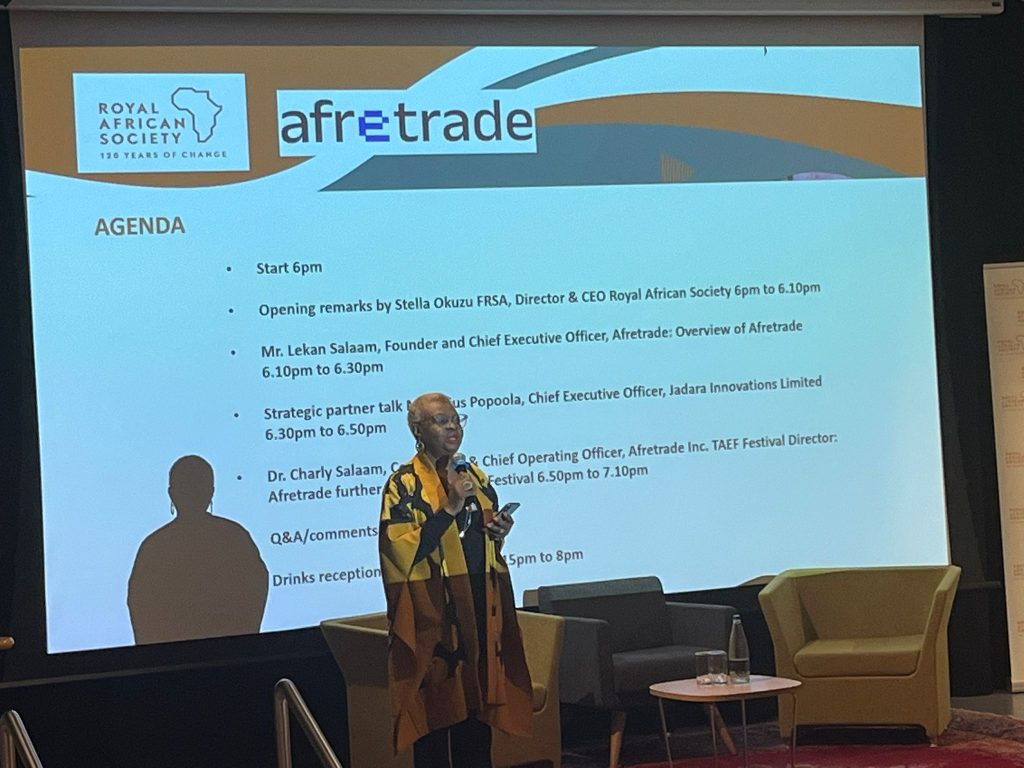
In her welcome address, Dr. Stella Okuzu, Chief Executive Officer of the Royal Africa Society, warmly received invited guests, partners, stakeholders, and participants. She emphasised the importance of sustained engagement between African nations and their diaspora communities, particularly at a time when global economic shifts are compelling Africa to redefine its place within international trade and investment frameworks.
Dr. Stella Okuzu highlighted the growing importance of partnerships that foster economic inclusion, entrepreneurship, skills development, and youth empowerment. According to her, Africa possesses enormous untapped potential, but unlocking that potential requires stronger collaboration between governments, the private sector, development institutions, and diaspora investors.
Her remarks set the tone for an evening focused on opportunity, innovation, and strategic partnerships.
AfreTrade: A Platform for Economic Transformation
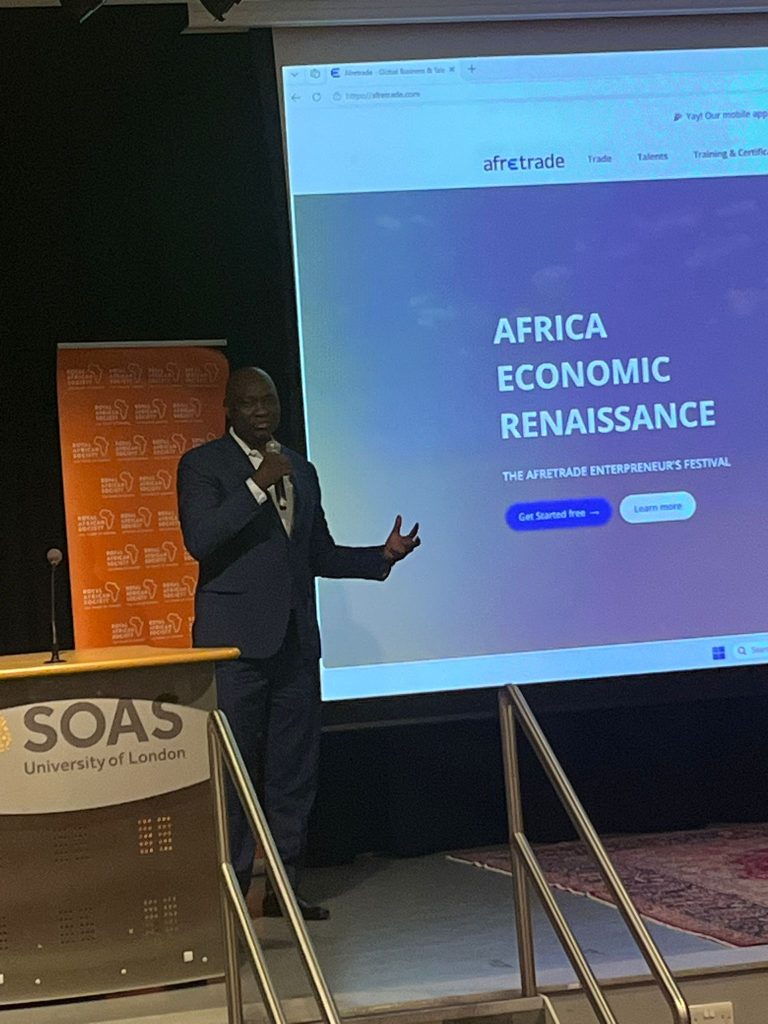
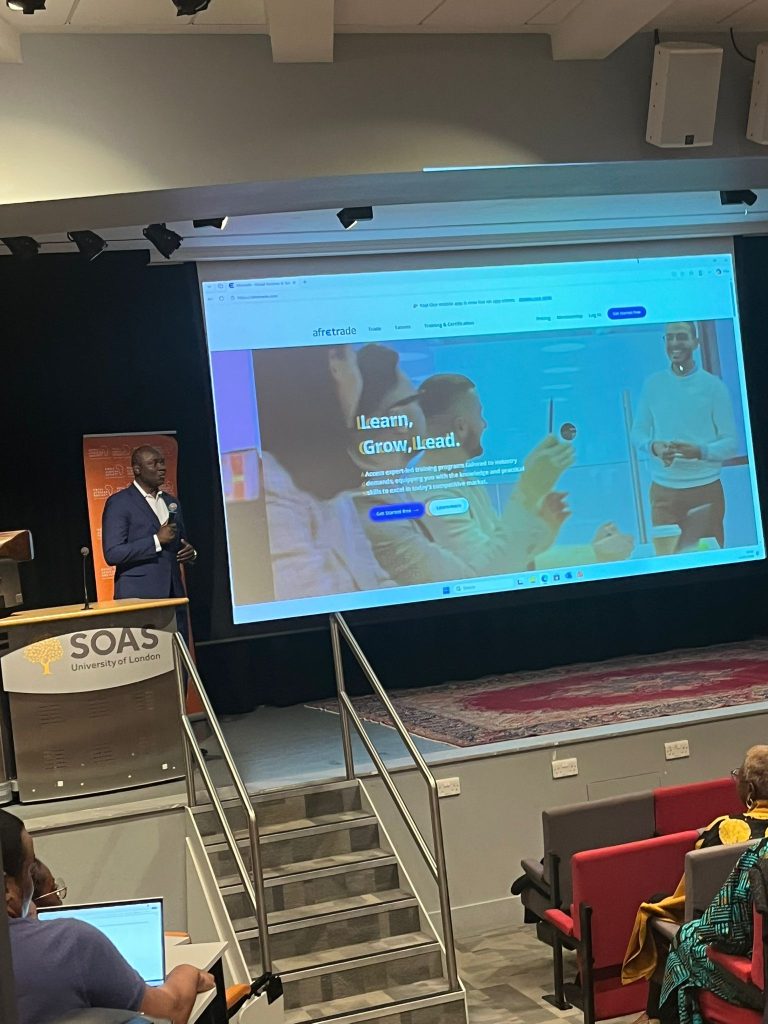
One of the central figures at the event was Mr. Lekan Salaam, founder of AfreTrade, a United States-based organisation with operational presence in Nigeria. Through its Lagos office and expanding African network, AfreTrade seeks to bridge long-standing gaps in trade facilitation, entrepreneurship, capacity building, and youth development across Africa and the diaspora.
AfreTrade was presented as a “three-legged platform” strategically designed to foster sustainable economic development through integrated solutions:
- Trade and Entrepreneurship
Focused on creating opportunities for African businesses, SMEs, startups, and diaspora investors to connect, collaborate, and access new markets.
- Talent and Youth Job Creation
Aimed at talent discovery, youth empowerment, employability enhancement, and entrepreneurship incubation, particularly among Africa’s rapidly growing young population.
- Training and Knowledge Transfer
Dedicated to skills development, innovation, mentorship, digital transformation, and capacity building to strengthen Africa’s entrepreneurial ecosystem.
These three pillars reflect a broader vision of economic sustainability and inclusive development. They also align with the aspirations of the African Union Agenda 2063 framework, which advocates for an integrated, prosperous, and self-reliant Africa driven by its own citizens and supported by strategic global partnerships.
Digital Innovation and Technology Partnerships
Speaking during the event, Julius Popoola of Jadara Innovations Ltd shared the company’s partnership journey with AfreTrade and its contribution toward strengthening the platform’s technological and digital infrastructure.
He explained that the collaboration had significantly enhanced AfreTrade’s operational efficiency, digital visibility, service delivery systems, and stakeholder engagement capacity. According to him, technology remains a critical driver of Africa’s future economic competitiveness.
He noted that digital platforms now play a central role in trade facilitation, entrepreneurial networking, market access, and innovation management. In an increasingly interconnected world, Africa cannot afford to remain behind in technological adaptation and digital transformation.
His remarks reinforced the growing argument that Africa’s future economic success will depend not only on natural resources but also on digital innovation, knowledge economies, and technology-driven entrepreneurship.
Dr. Charly Lemassi: A Pan-African Entrepreneurial Vision
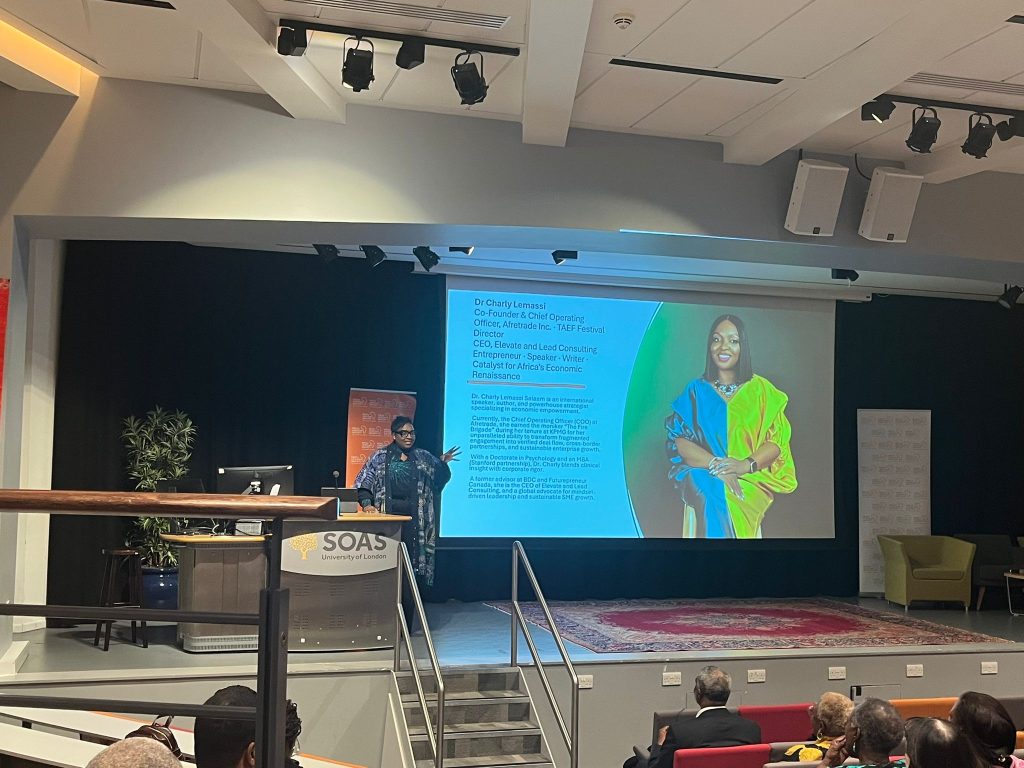
One of the most inspiring presentations of the evening came from Dr. Charly Lemassi, Co-Founder and Chief Operating Officer of AfreTrade Inc., as well as Director and CEO of the TAEF Festival Lagos, Nigeria.
In a deeply personal and engaging presentation, Dr. Lemassi reflected on her multicultural upbringing and entrepreneurial journey across Europe, North America, and Africa. Raised in Paris, educated in London, and later established in Canada, she recounted her experiences as a serial entrepreneur who successfully built and scaled beauty and hairstyling product businesses across the Americas, Europe, and Africa.
She spoke candidly about achieving her first million-dollar business success and how her business engagements in Nigeria eventually led to a strategic partnership with Mr. Lekan Salaam. Their discussions, vision alignment, and shared commitment to African economic empowerment ultimately resulted in the creation of AfreTrade.
According to Dr. Lemassi, AfreTrade was established to serve as a practical “gap-solution platform” capable of connecting entrepreneurs, investors, mentors, innovators, funders, and markets under one collaborative ecosystem.
TAEF Festival Lagos 2026
The forthcoming Trade and Entrepreneur Festival (TAEF) Lagos is scheduled to hold from 17–19 June 2026 at the prestigious Eko Hotels & Suites under the theme:
“Africa’s Economic Renaissance.”
The festival is expected to attract business leaders, investors, innovators, creatives, policymakers, youth entrepreneurs, and diaspora stakeholders from across Africa, Europe, North America, and beyond.
The initiative reflects growing calls for Africa to take greater ownership of its economic destiny by promoting African-led trade, industrialisation, innovation, manufacturing, and investment ecosystems.
As global economic powers continue to realign their strategic interests, Africa is increasingly being viewed not merely as a resource destination but as a rising economic frontier with immense entrepreneurial potential.
The Bigger Question: Is Africa Truly Ready?
The conversations throughout the evening repeatedly returned to one central issue: readiness.
Is Africa institutionally prepared for large-scale entrepreneurial transformation?
Can diaspora investors confidently engage African markets without bureaucratic obstacles?
Are African governments doing enough to support innovation, SMEs, and startup ecosystems?
Can Africa move beyond dependence on foreign aid toward sustainable trade and production-driven economies?
These questions remain significant because, despite Africa’s enormous potential, the continent still faces major structural challenges, including:
- Inadequate infrastructure
- Limited access to finance
- Policy inconsistency
- High unemployment rates
- Weak industrial capacity
- Currency instability
- Regulatory bottlenecks
- Skills gaps and brain drain
However, events such as the AfreTrade Entrepreneur Festival demonstrate that a new generation of African and diaspora leaders are actively seeking solutions through enterprise, innovation, collaboration, and strategic partnerships.
Interactive Engagement and Audience Participation
The question-and-answer session was expertly moderated and handled by Dr. Charly Lemassi, who responded thoughtfully to a wide range of questions from participants and stakeholders. The discussions covered investment opportunities, diaspora participation, youth empowerment, digital innovation, mentorship structures, and sustainable development models.
Several members of the audience contributed meaningfully to the discussions, including Dr. Bar. Konyere, and other notable attendees.
The interactive nature of the session reflected the high level of interest surrounding the future of African entrepreneurship and diaspora engagement.
Recognition of Distinguished Diaspora Leadership
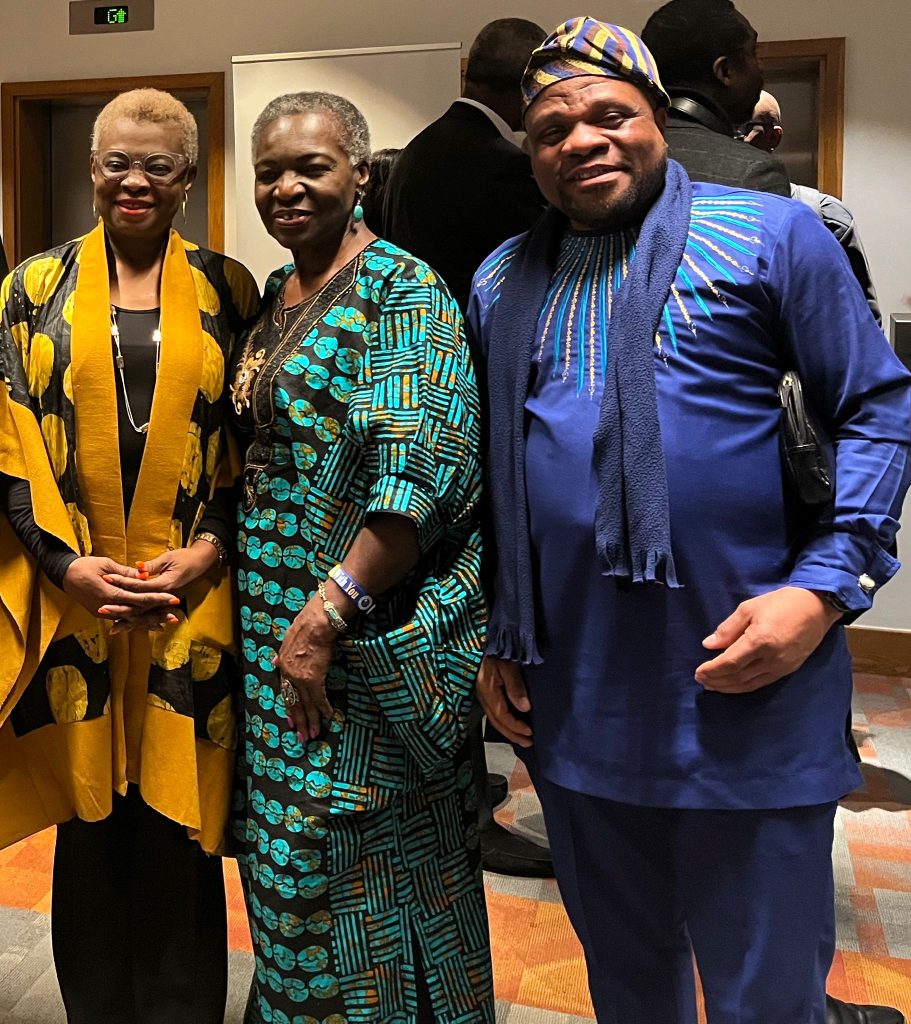
A particularly memorable moment of the evening was the recognition of Chief Dr. Clr. Kate Anolue, a highly respected Nigerian diaspora leader in the United Kingdom.
A retired midwife, public health practitioner, politician, community advocate, and two-time Mayor of Enfield, Chief Dr. Kate Anolue was introduced by Stella Okuzu to deliver brief remarks.
Despite speaking for only a few minutes, her message resonated strongly with the audience. She emphasised the importance of leadership, community service, diaspora responsibility, youth mentoring, and sustained African development through unity and collaboration.
Her remarks drew warm applause and further reinforced the evening’s central themes of empowerment, leadership, and collective responsibility.
Networking, Collaboration, and Strategic Engagement
The evening concluded with appreciation remarks from Dr. Stella Okuzu, who thanked all attendees, speakers, partners, and organisers for their contributions and participation. Guests were subsequently invited to a networking and drinks reception, which provided further opportunities for strategic engagement and relationship building.
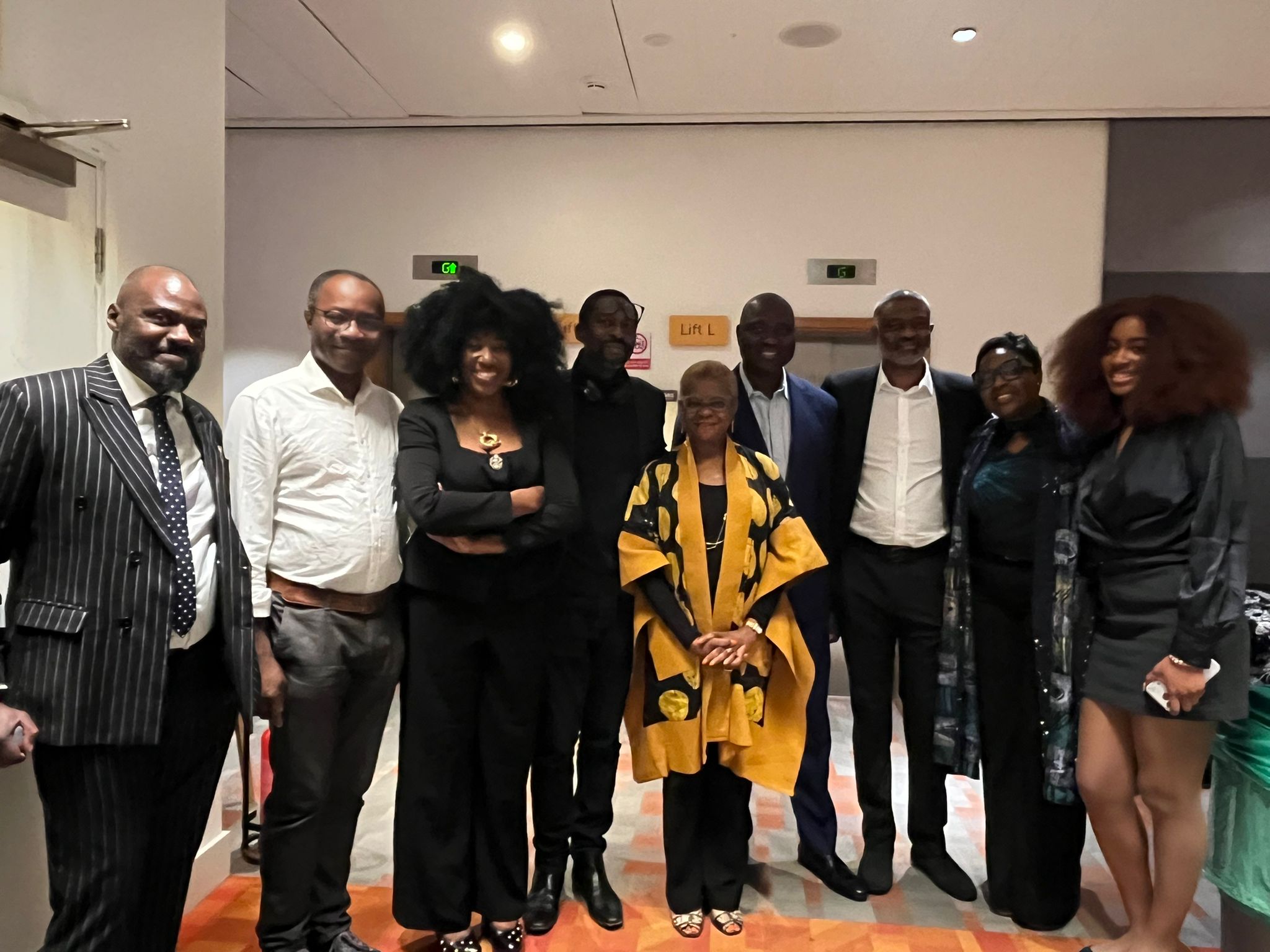
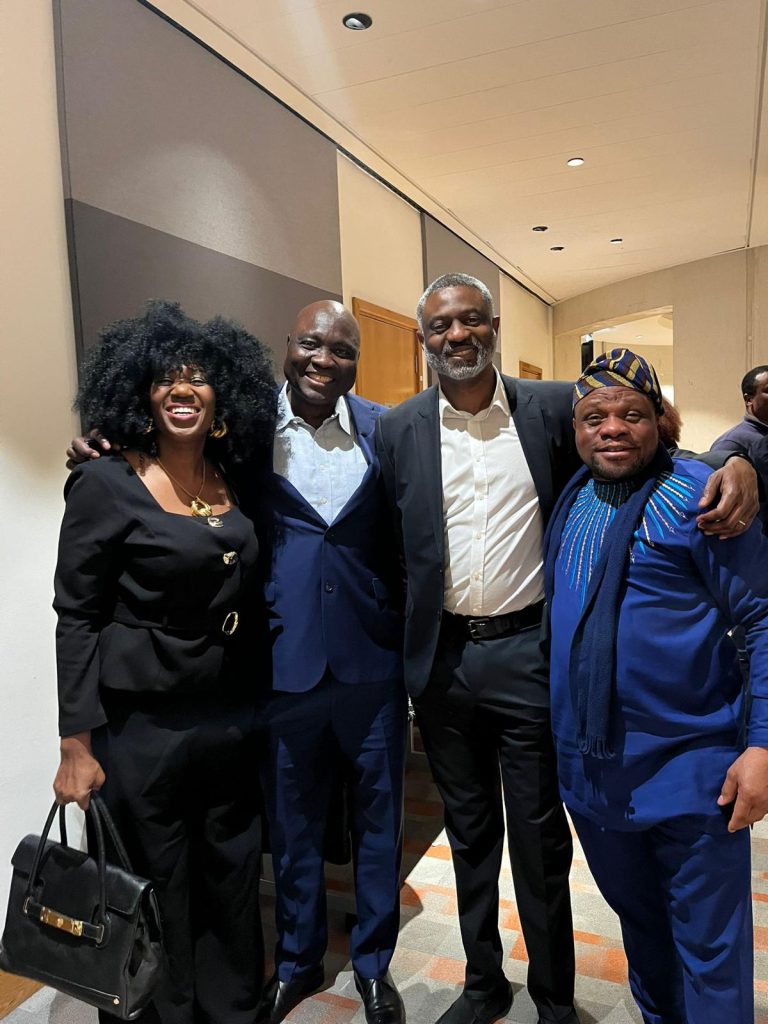
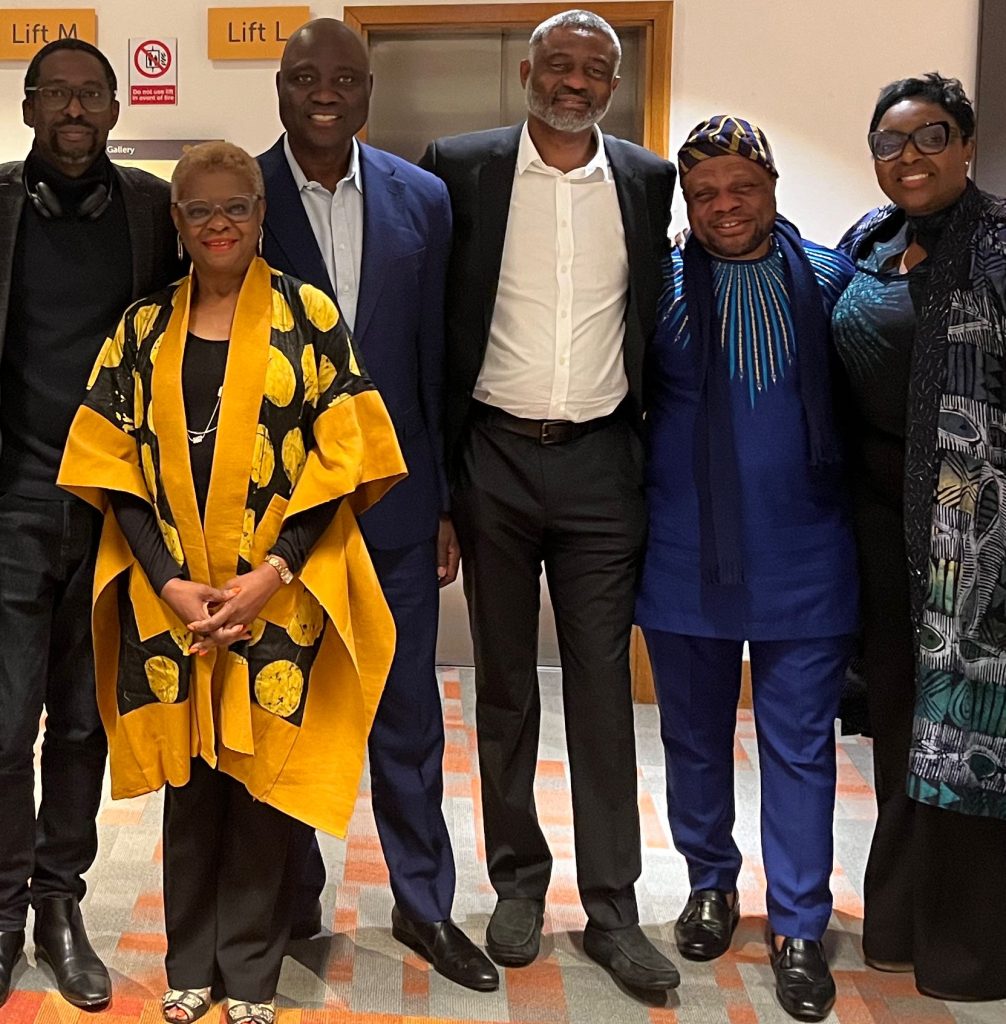
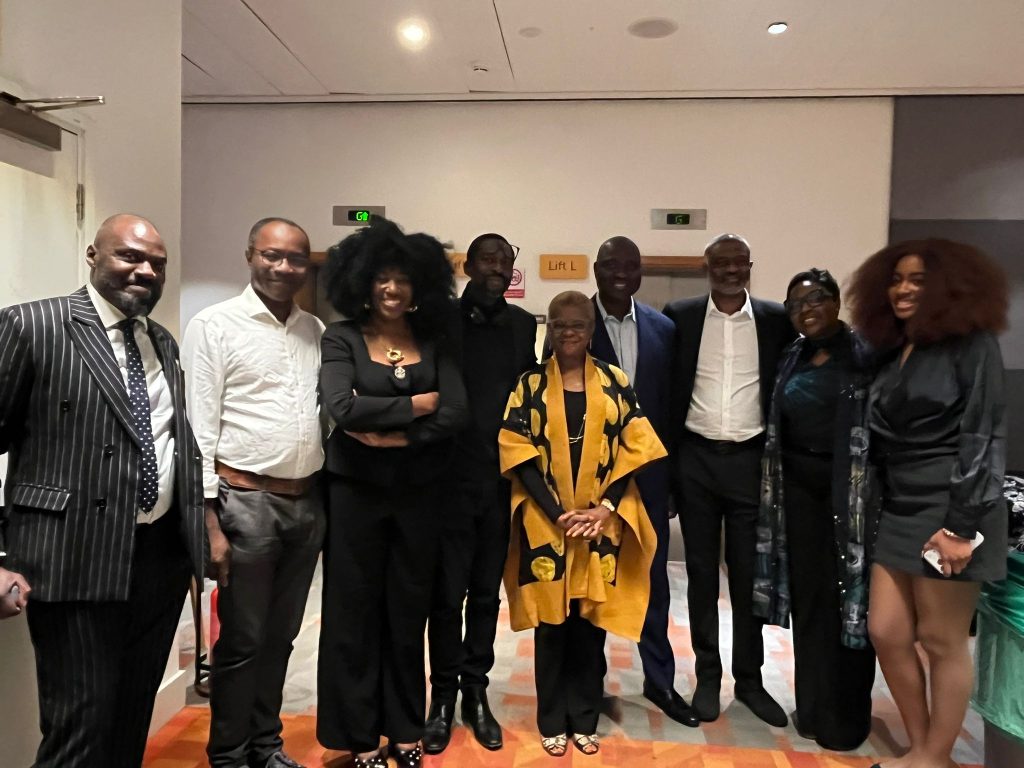
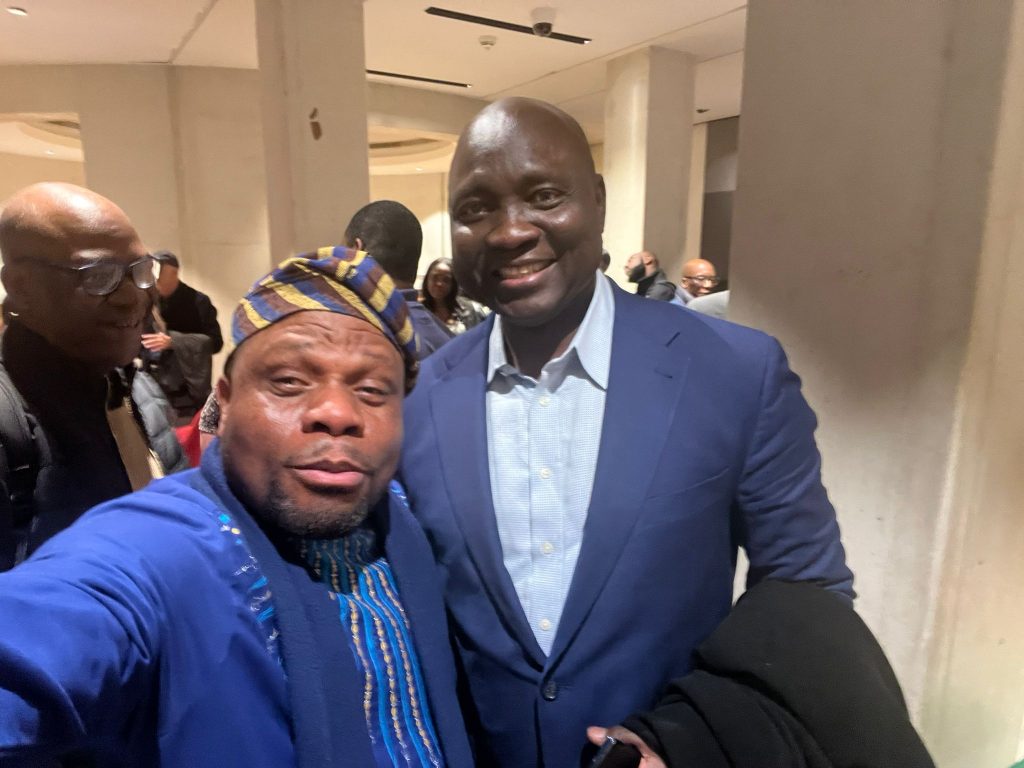
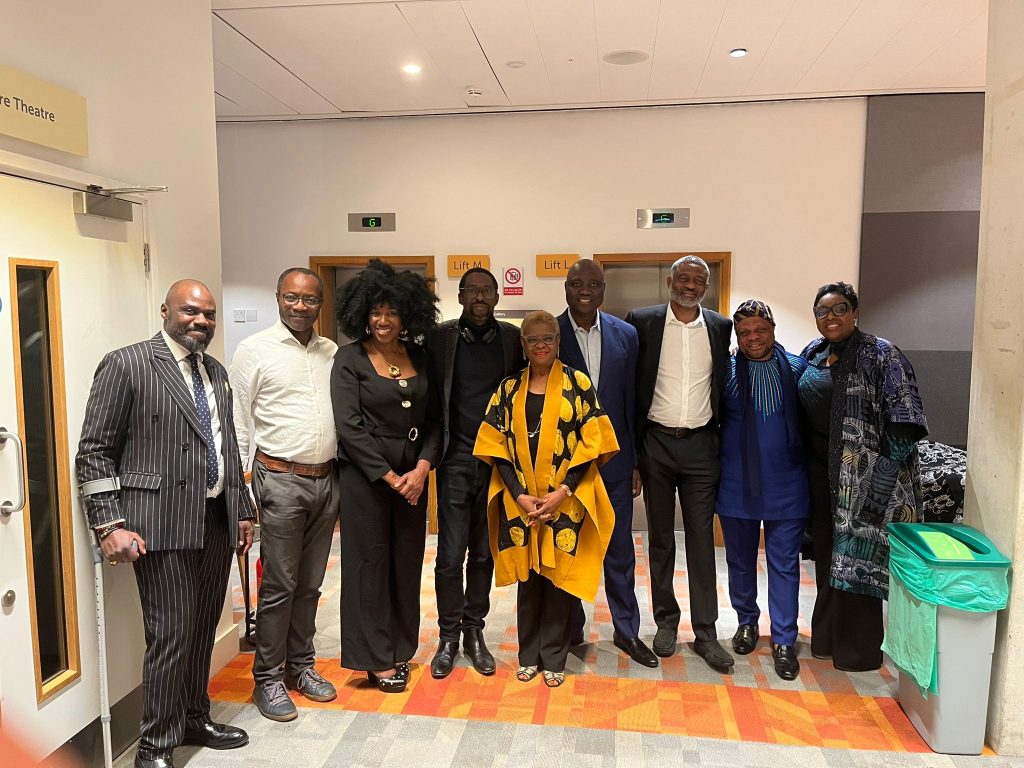
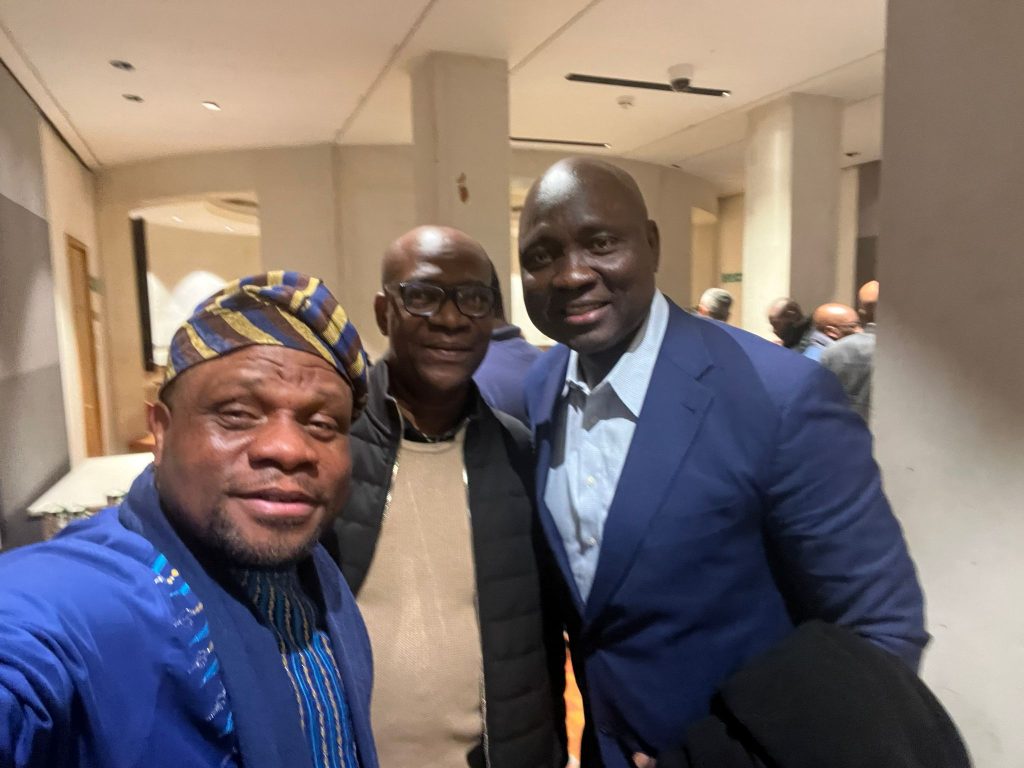
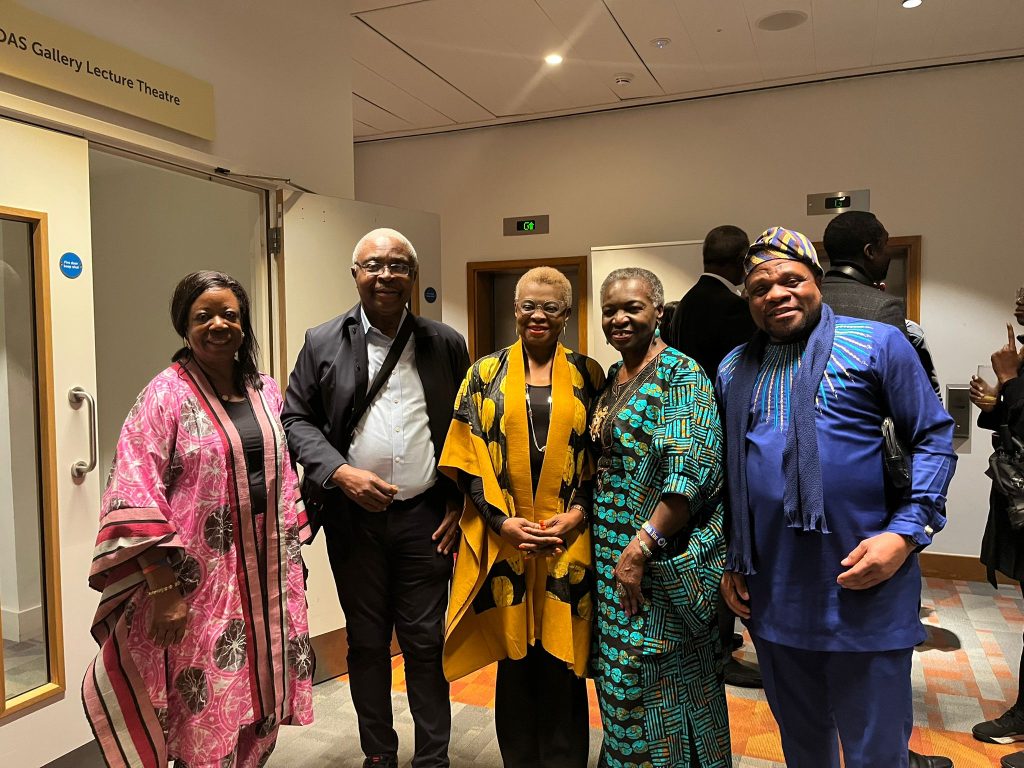
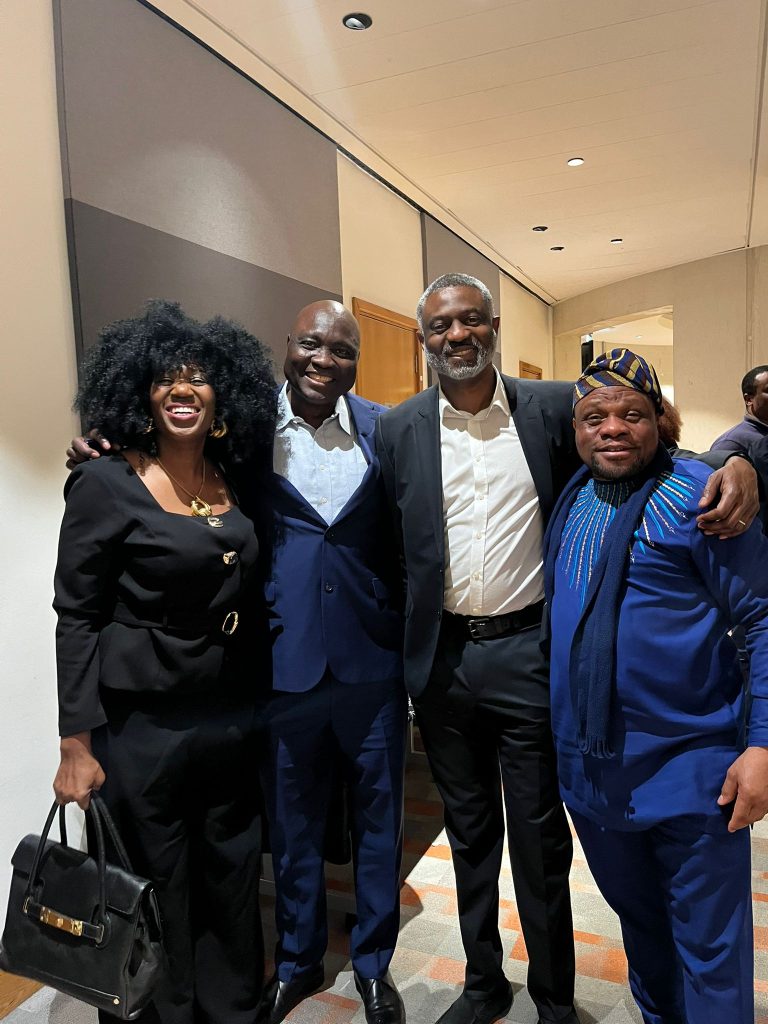
The event also created opportunities to reconnect and engage with several professionals, entrepreneurs, and stakeholders, including:
- Mr. Lekan Salaam
- Dr. Charly Lemassi
- Julius Popoola
- Joseph Oyediran
- Femi Olubanwo
- Olumide Osundolire
- Eleanor Sarpong
- Dr. Barr. Konyere Adiele-Uzoma
- Ms. Chidinma Adiele-Uzoma
- Olusina Salami
Conclusion: Towards an African Economic Renaissance
The AfreTrade engagement evening was more than a networking event; it was a reflection of the growing determination among Africans and the diaspora to build sustainable economic systems capable of driving long-term prosperity.
The forthcoming TAEF Festival Lagos 2026 represents more than a conference or exhibition. It symbolises a broader movement toward African economic ownership, innovation, entrepreneurship, and collaborative development.
For Africa to achieve meaningful transformation, however, vision alone will not be enough. Success will require:
- Strong institutions
- Transparent governance
- Investment-friendly policies
- Technology-driven innovation
- Skills development
- Youth empowerment
- Cross-border trade facilitation
- Diaspora inclusion
- Public-private partnerships
As Africa positions itself within the rapidly evolving global economic landscape, initiatives like AfreTrade may become increasingly important in shaping the continent’s entrepreneurial future.
The question is no longer whether Africa possesses the talent, resources, and potential.
The real question is whether African leaders, institutions, entrepreneurs, and diaspora stakeholders are prepared to work together with urgency, discipline, and strategic vision to realise the long-awaited dream of an African economic renaissance.
Mazi Godson Azu is a UK-based International Relations and Politics Expert, Commentator, Author and Consultant specialising in diplomacy, governance, diaspora engagement, trade and international affairs. A member of IoD Africa Group