
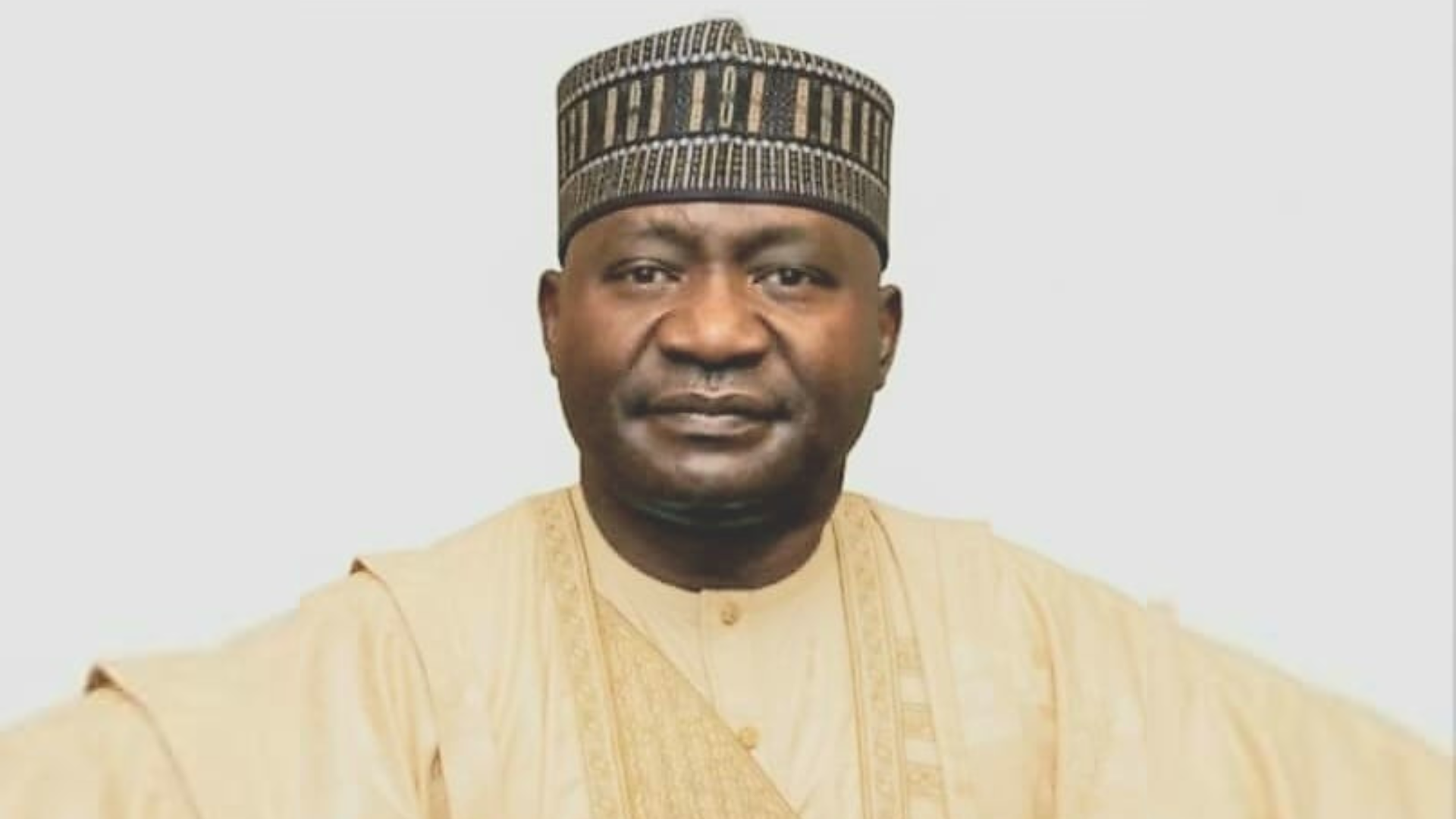
By Kachi Okezie, Esq
The security cooperation between the United States and Nigeria has entered a more consequential and delicate phase. With Washington’s confirmation that a small team of U.S. military personnel has been deployed to Nigeria, the relationship has moved beyond intelligence-sharing and diplomatic coordination into a realm of direct operational involvement. In an era of borderless terrorism, such collaboration may be necessary. Yet it also intensifies a central and unavoidable question: trust.
The deployment, confirmed by U.S. Africa Command (AFRICOM), marks the first official acknowledgment of American troops operating on Nigerian soil since U.S. airstrikes in December 2025 targeting alleged Islamic State camps in northeastern Nigeria. Those strikes, ordered by President Donald Trump, were described by U.S. and Nigerian officials as successful. However, subsequent discoveries of undetonated explosives believed to be debris from the strikes in civilian-populated areas across Kwara, Niger, and Sokoto states raised serious concerns about operational oversight, civilian risk, and the broader consequences of kinetic interventions in fragile security environments.
Nigeria’s security crisis is no longer confined within its borders. Boko Haram and the Islamic State West Africa Province (ISWAP) continue to conduct lethal attacks in the northeast, while both groups have sought to expand their reach into the northwest and north-central regions—areas already destabilised by banditry, resource-based conflicts, and weak state presence. This convergence of insurgency and organised criminal violence has transformed Nigeria’s internal insecurity into a regional and international concern, with direct implications for West Africa, the Sahel, and global counterterrorism efforts.
It is within this volatile context that U.S.–Nigeria security cooperation must be evaluated with particular caution. Washington’s growing involvement—including surveillance flights conducted from neighbouring Ghana and the provision of what AFRICOM describes as “unique U.S. capabilities”—signals an increasing strategic investment in Nigeria’s stability. Yet this investment rests on a fragile foundation.
Persistent and unresolved allegations of collusion between elements of Nigeria’s political and security establishment and terrorist or criminal actors continue to cast a long shadow over such engagement. Compounding these concerns is the Nigerian state’s apparent failure—or unwillingness—to pursue arrests, prosecutions, or meaningful investigations into the sponsors, financiers, and political enablers of terrorism. Despite repeated claims that security agencies possess intelligence on individuals funding or facilitating insurgent groups, there has been little public accountability and virtually no high-profile convictions.
This absence of action is not a minor oversight; it strikes at the heart of effective counterterrorism. Terrorist organisations do not survive on ideology alone. They depend on financial networks, logistical support, arms suppliers, and political protection. When these enablers operate with impunity, military operations against foot soldiers amount to little more than tactical containment. Without confronting the financial and political architecture sustaining insurgency, insecurity becomes self-perpetuating.
For the United States, this reality presents a profound dilemma. Counterterrorism partnerships are built on the assumption that both parties share not only common enemies but also a commitment to dismantling the full ecosystem that sustains violence. When credible allegations of elite complicity coexist with an evident reluctance to pursue those implicated, trust erodes. American military assistance, intelligence sharing, and diplomatic backing risk being misapplied—or worse, shielding powerful actors whose interests are misaligned with genuine security reform.
The challenge is further complicated by the politicisation of insecurity. The December 2025 airstrikes followed inflammatory rhetoric from Washington, including the redesignation of Nigeria as a country of particular concern over disputed claims of religious persecution. Nigerian authorities rejected narratives of “Christian genocide,” emphasising that insurgency and banditry victimise citizens across religious and ethnic lines. They warned that such framing risks deepening polarisation within an already fragile society. In this context, counterterrorism cooperation must be especially careful not to reinforce divisive narratives or undermine social cohesion.
Trust, however, is not solely a bilateral concern. It is also domestic. Nigerian citizens—particularly those living in conflict-affected regions—have grown increasingly skeptical of government assurances. Repeated declarations of progress are undermined by continuing violence and the conspicuous absence of accountability for those believed to profit from instability. Public confidence cannot be restored while the architects and sponsors of terror remain beyond reach or reinstated by into civil order, branded “repentant.”
External military support cannot substitute for political will. For Nigeria, rebuilding trust requires more than welcoming foreign assistance. It demands a demonstrable commitment to transparency, the rule of law, and equal protection for all citizens. This includes credible investigations into allegations of official complicity, the disruption of terror financing networks, and the prosecution of individuals—regardless of status—found to be enabling terrorism.
For the United States, engagement must remain principled and conditional. Cooperation should be anchored in clear benchmarks: civilian protection, measurable institutional reform, and tangible progress in dismantling terror sponsorship networks. Absent these safeguards, even well-intentioned involvement risks entrenching the very dysfunction it seeks to resolve.
The international community is watching closely, as are Nigeria’s own citizens. The discovery of unexploded ordnance in civilian areas following U.S. strikes serves as a stark reminder that counterterrorism carries real human costs. Those costs demand accountability, restraint, and constant reassessment.
Ultimately, security cooperation is sustained not by shared threats alone, but by shared responsibility and mutual trust. As U.S.–Nigeria engagement deepens, the durability of this partnership will depend on whether both sides are willing to confront uncomfortable truths—particularly the role of elite complicity and impunity—in the persistence of terrorism.
Without that reckoning, trust will remain elusive. And without trust, no amount of military cooperation can deliver lasting security.
Kachi Okezie, Esq is a legal practitioner and world affairs commentator.