In the long arc of British history, the monarchy has been both a mirror and a lamp — reflecting social values and illuminating national identity. From the Norman Conquest through the English Civil War and the constitutional settlement of the 17th century, monarchs have shaped the nation. Yet today, the institution faces arguably its most profound cultural reckoning: declining public trust, generational scepticism, and renewed republican debate.
A Legacy of Continuity and Crisis
Under Queen Elizabeth II, the monarchy enjoyed unprecedented stability and reverence. Her 70-year reign came to symbolize continuity itself — even amid personal tragedies and political turbulence. Elizabeth’s calm stewardship helped the monarchy remain politically neutral while embodying national identity through decades of change. 
Yet that very stability contrasts sharply with the turbulence of the present generation. The death of Princess Diana in 1997 — and the bitter public response to how the institution handled it — marked a turning point. It punctured the aura of reverence and underscored the monarchy’s vulnerability to media narratives and public sentiment.
Two subsequent scandals further deepened the breach between monarchy and public:
• Prince Harry and Meghan Markle’s break from royal life, which included critical media disclosures about the institution’s inner workings and its treatment of individuals;
• Prince Andrew’s public fall from favour over his association with Jeffrey Epstein, leading to his withdrawal from royal duties and significant reputational damage.
These events have not just been celebrity scandals — they have catalysed deep questions about accountability, relevance, and the value of hereditary privilege in a modern democratic society.
Public Opinion: Shifting Grounds
Polling data shows that support for the monarchy in the United Kingdom has declined sharply over recent decades. In the early 1980s, around 86 % of Britons thought continuing to have a monarchy was important. By 2024, that figure had fallen to approximately 51 %, the lowest on record — and the proportion advocating outright abolition rose from 3 % to 15 %. 
The generational divide is stark: younger people (16–34) are significantly more likely to favour an elected head of state than older cohorts. The monarchy retains stronger support among older Britons and conservative voters, while many younger and progressively aligned individuals increasingly view it as archaic or inconsistent with democratic ideals. 
Yet in direct comparisons, a slight majority still prefer the monarchy to an elected head of state — a tension that suggests that support is fragile rather than robust: people may like the idea of tradition, but are much less certain about its necessity. 
Arguments For and Against Continuance
Defenders of the monarchy often point to its symbolic and practical roles:
• It provides continuity and stability in governance across political transitions. 
• As a non-partisan head of state, it can act as a unifying figure above day-to-day politics. 
• The monarchy contributes to national identity and soft power abroad, with cultural and economic benefits, including tourism. 
Critics counter that:
• Hereditary privilege clashes with democratic principles, undermining equality and representation. 
• The institution’s wealth and exemptions from transparency fuel resentment. 
• Ongoing scandals erode public trust, especially among younger generations. 
Is a Republic Imminent?
Republicanism — once a marginal and fringe position — has gained fresh legitimacy in public discourse. Polling suggests that a substantial minority now view an elected head of state as preferable. 
Yet constitutional and political realities make abrupt abolition unlikely in the near future. No major political party currently prioritises abolition, and the monarchy remains embedded in the UK’s unwritten constitution, international identity, and Commonwealth ties. Transitioning to a republic would require broad consensus, major legal reforms, and potentially referendums across the UK’s constituent nations.
King Charles III: A Transitional Monarch?
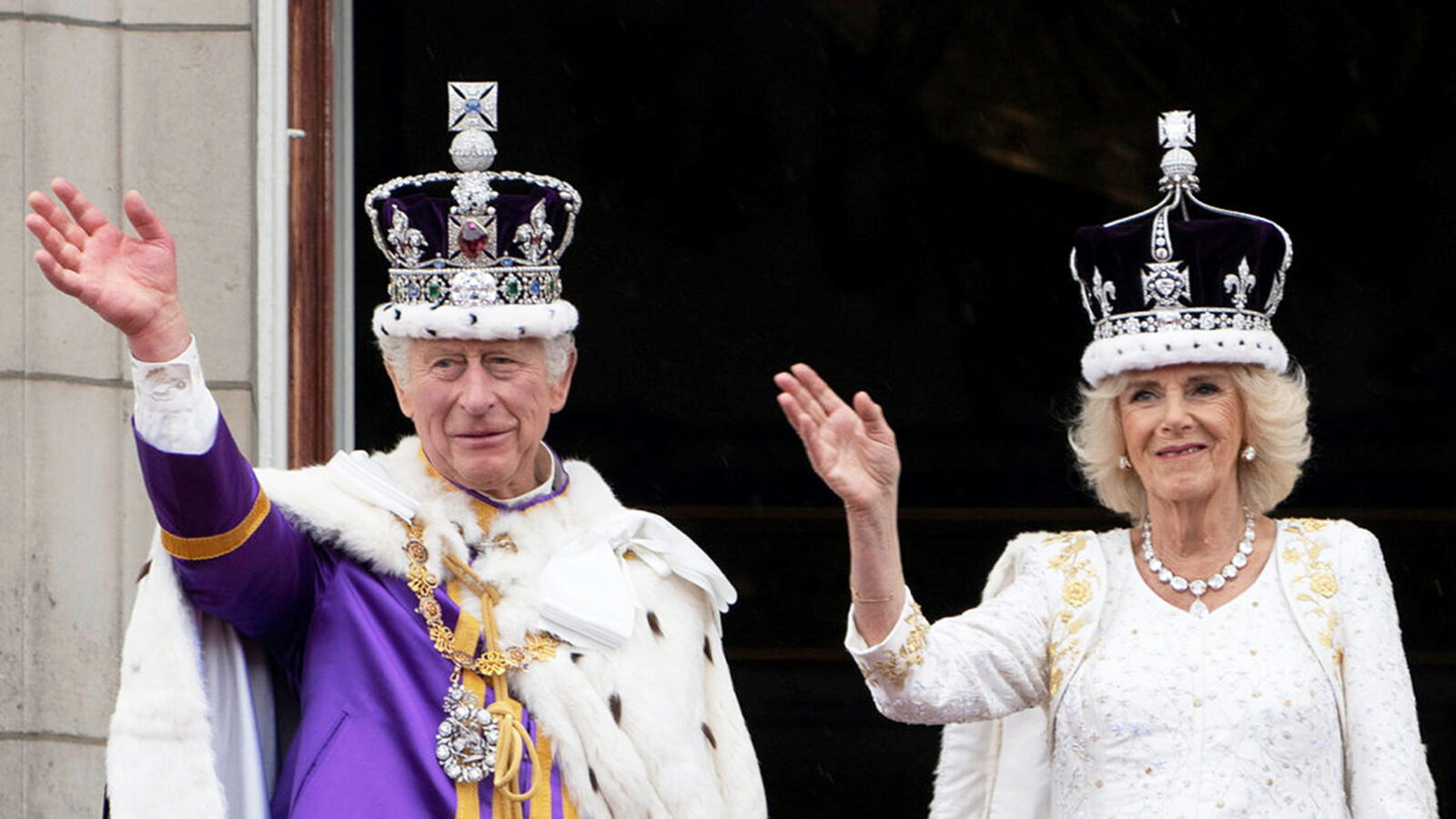
King Charles III ascended the throne as a figure already long in public view. Unlike his mother, he brought decades of outspoken advocacy on issues such as environmentalism — a contrast to the traditional political neutrality of his role. Charles’s popularity has been more mixed than Elizabeth II’s, and he faces scepticism both for his personal past and for the viability of the institution he now leads. 
Is Charles likely to be the last monarch of modern Britain? It is too early to say definitively. Just as Queen Elizabeth’s reign did not end the monarchy, Charles alone is unlikely to determine its fate. Yet his reign occurs at a moment of transition — where public support, generational values, and political norms are all in flux.
Propositions for the Future
If the British monarchy is to endure, several paths could shape its evolution:
1. Modernisation and Reform:
• Greater financial transparency, legal accountability, and alignment with modern social values could strengthen public trust.
• Redefining the monarchy’s role to reflect contemporary society might make it more acceptable to younger generations.
2. Constitutional Reform without Abolition:
• Hybrid models, such as an elected ceremonial head of state, could emerge with broad public backing.
• Adjustments to the monarchy’s legal status could reduce perceptions of privilege without ending the tradition.
3. Republican Transition:
• Should public opinion continue its generational shift, gradual steps toward a constitutional republic — inspired by other European models — could be debated seriously in Parliament.
Final Reflection
The British monarchy’s future rests on a delicate balance between tradition and transformation. Its survival is not preordained, nor is its abolition inevitable. It exists today because it resonates with many as a symbol of identity and continuity; tomorrow it may face reinvention or replacement as society redefines what it means to be British in the 21st century.
What is certain is that the scandals and crises of recent decades — from Diana, to Harry and Meghan, to Andrew’s fall — have shifted the terms of public debate. Whether this leads to the eventual dismantling of the monarchy or its careful reinvention will depend on how both the institution and the public navigate the evolving relationship between history, democracy, and national identity.