
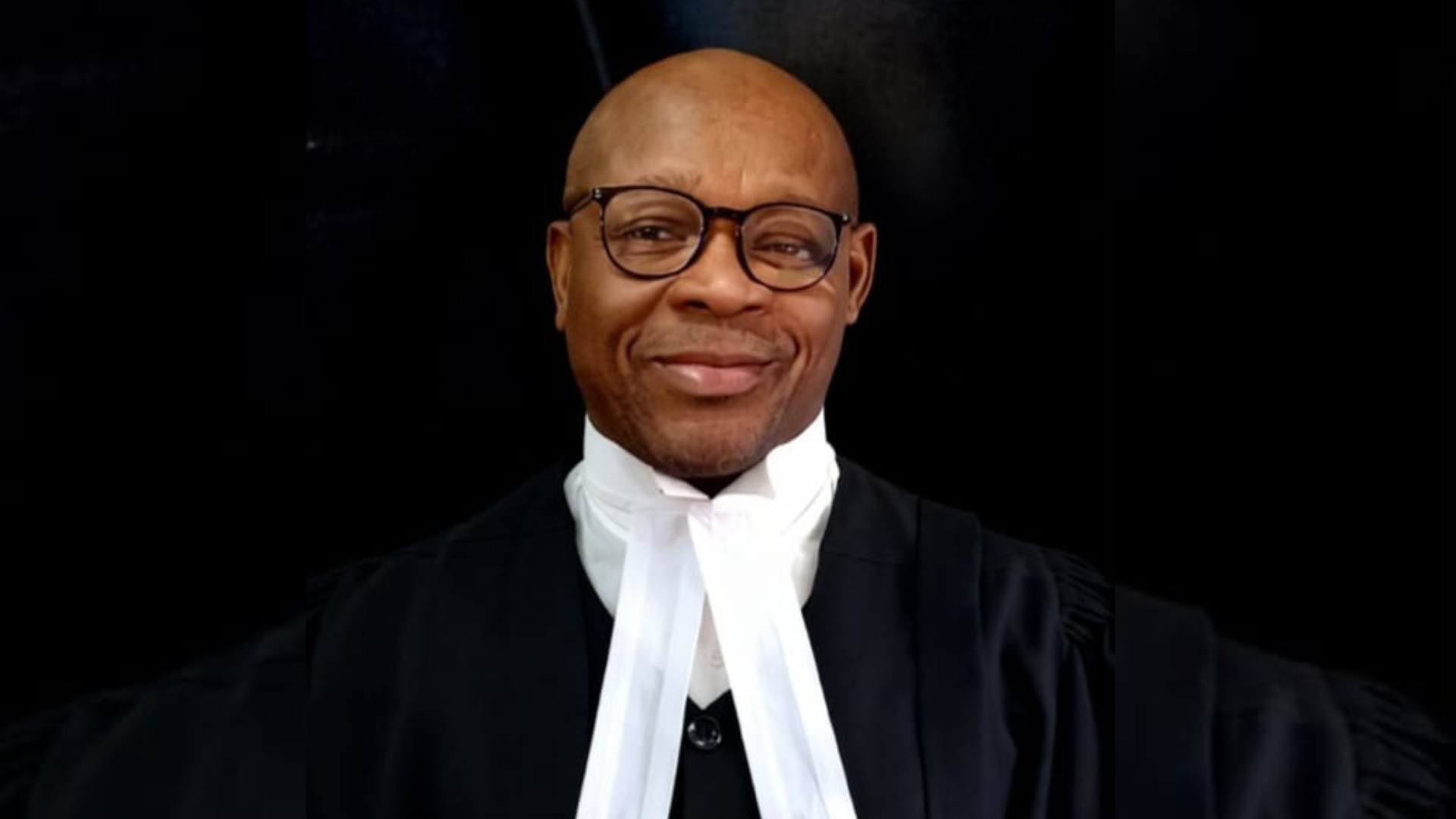
By Kachi Okezie, Esq
Nigeria’s legal profession stands at a decisive moment. Its commitment to excellence and integrity is increasingly tested by subtle but corrosive practices that blur professional boundaries and compromise independence. Chief among these is the acceptance of practising fees, conference sponsorships, and other professional benefits from colleagues, clients, or third parties—arrangements that quietly erode impartiality and threaten the soul of the profession.
The dilemma is neither abstract nor rare. A junior lawyer appears in court opposite a senior colleague, only to realise that the same senior paid her practising fees or sponsored her attendance at the mandatory annual conference. Independence in such circumstances is not merely questionable—it is implausible. Even where no actual bias exists, the appearance of influence is enough to damage confidence in the justice system. Trust, once shaken, is difficult to restore.
The Rules of Professional Conduct for Legal Practitioners, particularly Rule 47, warn against accepting payments capable of impairing independence. Yet warnings without enforcement are insufficient. As the profession evolves, so must its safeguards.
Nowhere is this problem more visible than during Nigerian Bar Association (NBA) election seasons. Inducements—often disguised as generosity or collegial goodwill—proliferate. Cash gifts, practising fees, conference registrations, travel expenses, and other benefits are deployed to curry favour and secure votes. These practices are unethical, corrosive, and must be unequivocally banned. A lawyer whose right to practise is sustained by third-party patronage is, by definition, unfit to practise independently. The rot must end.
Accountability must be mutual and uncompromising. Both the giver and the receiver of such patronage should face serious sanctions, with senior lawyers bearing heavier penalties as a necessary deterrent. Power amplifies responsibility. Without dual accountability, the culture of dependency and favoritism will persist.
Lawyers are custodians of justice. Their independence is not optional—it is foundational. Financial dependence distorts judgment, prioritises the interests of benefactors, and places client confidentiality and fair advocacy at risk. When independence is compromised, justice itself becomes negotiable.
The NBA must rise to this challenge. Its guidelines should be strengthened and clarified, with a broad definition of “gift” that captures any benefit capable of influencing professional judgment. Mandatory disclosure rules should apply wherever there is a professional relationship or an interest in a lawyer’s cases. Sunlight remains the most effective disinfectant.
Nigeria’s legal profession has made meaningful progress in ethics and accountability, and the NBA’s stated commitment to professional standards deserves recognition. But commitment must translate into action. An independent review committee empowered to investigate conflicts of interest and impose sanctions would reinforce credibility and ensure consistent enforcement.
The consequences of compromised independence extend far beyond individual cases. They corrode public trust, weaken confidence in the courts, and ultimately threaten the rule of law. Strengthening protections against undue influence is not merely a professional obligation—it is a societal imperative.
The way forward demands a coordinated response. Regulators, law schools, and professional bodies must work together to entrench a culture of ethics from training to practice. Lawyers themselves must internalise a hard truth: independence is the profession’s moral anchor and the public’s guarantee of justice.
In designing stricter rules, access to justice must not be ignored. Sustainable alternatives—such as robust legal aid schemes, insurance-based support, or transparent funding mechanisms—can protect lawyers without compromising autonomy. Transparency and accountability must guide every reform.
Nigeria’s legal profession has the capacity—and the duty—to lead by example. By decisively defending independence and ethics, lawyers can reaffirm their role as guardians of the rule of law and servants of the public good. The moment to act is now. The future credibility of the profession depends on it.